Discover non-electric wood stove fans that quietly circulate warm air from your stove or heater. These heat-powered devices require no batteries or external power, making them ideal for off-grid setups, cabins, or homes aiming to reduce energy use. This guide highlights five options best suited for different room sizes, stove types, and noise preferences. Each selection emphasizes practical benefits, potential limits, and who should choose it.
| Product | Best For | Why It Was Chosen |
|---|---|---|
| JossaColar Wood Stove Fan | Small to medium rooms | Strong heat activation, includes thermometer, reliable warranty. |
| Miaton Wood Stove Fan | Quiet operation seekers | Low noise, durable aluminum construction, good heat-to-air performance. |
| COMBIUBIU Wood Stove Fan 4 Blade | Budget-friendly, compact spaces | Energy efficient, simple non-electric design, clear operating range. |
| BLFIRE Dual Motor Wood Stove Fan | High airflow needs | Two motors push more air, built-in thermometer, low maintenance. |
| VODA 8-Blade Wood Stove Fan | Large rooms with extended reach | More blades for bigger airflow, includes thermometer and fragrance pod. |
JossaColar Wood Stove Fan Heat Powered

Best for: small to medium rooms with a wood-burning stove. This heat-activated fan requires no batteries and uses an upgraded aluminum blade for broader heat distribution. It includes a magnetic thermometer and offers a straightforward 1-year warranty with a 2-year replacement option for quality concerns.
Why chosen: The heat-powered design delivers consistent airflow, and the thermometer helps monitor stove temperature to avoid overheating. The included accessories and warranty add practical value for first-time buyers.
Limitations: Performance may vary with very cool stoves; ensure your stove reaches the activation threshold for reliable operation.
Miaton Wood Stove Fan Heat Powered

Best for: users who want quiet operation and durable construction. The Miaton fan turns heat into electricity to run the blades, delivering warmth efficiently even during power outages.
Why chosen: Its anodized aluminum body withstands high temperatures and corrosion. The included handle makes outdoor use easier, and the design minimizes noise during operation.
Limitations: The promotional materials note no aluminum tray included, which may affect placement in some setups.
COMBIUBIU Wood Stove Fan 4 Blade

Best for: tight spaces or budget-conscious buyers seeking a compact, no-electricity solution. This 4-blade fan operates solely on heat from the fireplace or stove.
Why chosen: It emphasizes energy efficiency with a clear operating temperature range. The silent operation helps maintain a comfortable living environment while improving heat circulation.
Limitations: The maximum startup temperature is specified; ensure your stove reaches a temperature within the recommended range for consistent performance.
BLFIRE Wood Stove Fan Dual Motor
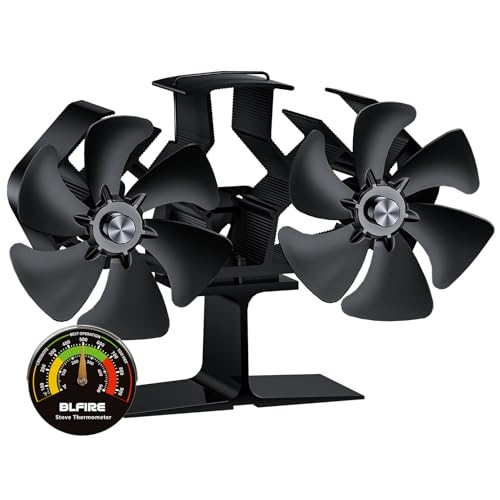
Best for: larger rooms or stoves requiring more air flow. The dual-motor setup provides about 50% more warm air movement than single-motor models.
Why chosen: Quiet operation at ≤25 dB keeps living spaces peaceful, and the built-in thermometer helps track stove temperature to avoid overheating. A temperature-sensing module reduces direct contact with hot surfaces, extending life.
Limitations: With higher airflow potential, the unit may feel slightly more noticeable in very small rooms, so consider room size when pairing with a heater.
VODA Wood Stove Fan 8 Blades
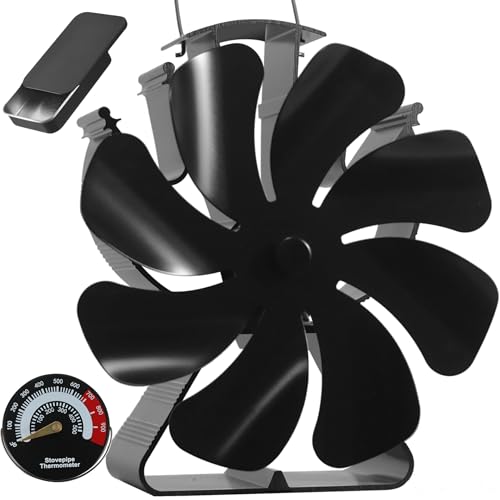
Best for: bigger spaces where maximum air distribution is desired. The eight-blade design provides broader air coverage and faster room warming.
Why chosen: Includes a magnetic thermometer and fragrance dispenser, adding practical monitoring and ambiance options. The extended warranty coverage offers extra assurance for long-term use.
Limitations: Some users may find fragrance dispenser optional; if not used, ensure the fan is positioned optimally for airflow without the accessory.
Buying Guide: How to Choose a Non-Electric Wood Stove Fan
- Hot-spot activation: Ensure your stove reaches a temperature within the fan’s recommended range to start spinning reliably.
- Airflow needs: Larger rooms typically benefit from fans with more blades or dual motors; smaller spaces can work well with 4-blade models.
- Noise considerations: Most non-electric fans are quiet, but some higher-flow models can emit a subtle hum; check decibel ratings if sensitive to sound.
- Materials and durability: Aluminum blades resist corrosion and heat; look for heat-resistant bases and protective features to lengthen life.
- Additional features: Thermometers help avoid overheating; fragrance dispensers can enhance comfort but are optional.
- Maintenance: Check for easy cleaning access and inspect mounting or brackets if using on a standing or bracketed setup.
- Warranty and support: A longer warranty or responsive customer support adds value for long-term use and potential replacements.
Frequently Asked Questions
- Do heat-powered stove fans require electricity? No. They operate using the heat from the stove to drive the blades via a thermoelectric or convection mechanism.
- Will a stove fan work on any stove? Most work best on wood-burning stoves or propane heaters when the surface reaches the activation temperature specified by the manufacturer. Avoid use on stoves that never get hot enough.
- Can I leave a stove fan on the stove at all times? Yes, but monitor the temperature with the included thermometer to prevent overheating and follow the manufacturer’s safety recommendations.
- Which features improve performance the most? More blades and dual-motor designs generally move more air and distribute warmth faster, especially in larger rooms.
- Is it necessary to clean stove fans? Periodic cleaning from dust and debris helps maintain airflow and prolongs blade life. Follow product instructions for safe cleaning.
- Are fragrance dispensers common? Some models include fragrance options, but they are optional and should be used as desired to avoid interfering with airflow.