For a soft, textured white finish, choose a whitewash paint that lets brick show through; for a more solid refresh, compare coverage instructions and application details before buying. Giani is a fit for diluted whitewashing, while Rust-Oleum offers customizable coverage for several masonry surfaces. The Mollor and GLAINTE kits are aimed at fireplace and wall makeovers, and GenStone’s kit is specifically named for multicolor faux brick. The options below help match the product to the surface and finish you want.
| Product | Best suited for | Notable detail |
|---|---|---|
| Giani Brick Transformations Whitewash | Diluted brick whitewashing | At least a 1:2 water dilution |
| Rust-Oleum Whitewash Masonry Paint | Multiple porous surfaces | Customizable coverage |
| Mollor Brick Paint Kit | Fireplace and masonry refreshes | Painting tools included |
| GLAINTE Brick Transformation Kit | Adjustable-opacity projects | Water dilution controls coverage |
| GenStone Faux Brick Paint Kit | Multicolor faux brick projects | Listed for faux brick |
Giani Brick Transformations Whitewash Paint

Best for: Homeowners seeking a diluted whitewash effect on brick or a fireplace. This water-based acrylic paint is described as low odor and low in VOCs, and the listed coverage is 100 square feet of brick surface.
The key buying detail is its dilution requirement: the product information says to mix it with water at a ratio of at least 1:2 to achieve full coverage. That makes it important to follow the listed instructions and plan for a watered-down application rather than treating it as ready-to-use paint.
Limitation: The dilution requirement may not suit buyers who want a simple, undiluted application or a fully opaque finish.
Rust-Oleum Whitewash Interior And Exterior Masonry Paint

Best for: Buyers who want one whitewash product for porous materials such as brick, stone, stucco, and wood. The product description says it brightens surfaces while allowing natural texture to remain visible, making it a relevant option for a whitewashed rather than texture-hiding look.
Its coverage can be customized by adding water. The formula is described as self-priming and self-sealing, with low odor and low VOC. Choose this if you want a product listed for both interior and exterior use and need adjustable opacity across different surfaces.
Limitation: The listing does not give a specific dilution ratio in the supplied details, so check the product directions for the desired surface and coverage.
Mollor Brick Paint Fireplace Makeover Kit

Best for: DIY buyers refreshing fireplaces, brick walls, or stone walls who want painting tools included. The listed formula is water-based and low odor, and the product description says the kit is intended for masonry surfaces including brick, stone, and concrete.
The manufacturer describes the paint as designed for rough masonry texture, with absorption and adhesion intended for those surfaces. This makes it a candidate for a broad white refresh rather than a product specifically described as a transparent whitewash. The listing also positions it as a kit for home decoration projects.
Limitation: The product information does not specify a dilution ratio or coverage area, so compare the package directions with the size of your project before choosing it.
GLAINTE Brick Transformation Paint Kit
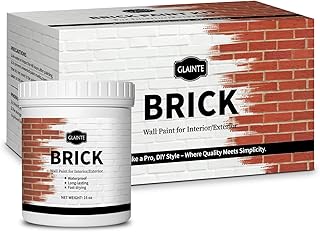
Best for: Buyers who want control over how much of the original brick appearance remains visible. The listing gives two mixing examples: a 1:1 water ratio for a light veil and a 1:2 ratio for a bolder, textured finish. It also describes application with a cloth for layering effects.
The water-based formula is described as low odor and low in VOCs. The product is listed for concrete, brick, and wood, and for indoor and outdoor use. Its directions say outdoor application should be done during sunny weather; the paint may dissolve if exposed to water before it dries, while the dried finish is described as waterproof.
Limitation: Outdoor projects require attention to drying conditions, and the listing cautions against working in rainy weather.
GenStone Faux Brick Paint Kit
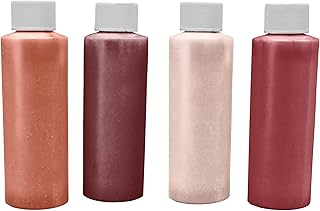
Best for: Buyers considering a paint kit for a multicolor faux-brick project. The product name identifies it as a paint kit for faux brick and DIY home improvement, so it is more specifically aimed at faux-brick surfaces than at ordinary masonry whitewashing.
Choose this only if your project involves faux brick and the product’s intended colors and use match your needs. The supplied listing details do not state whether the kit creates a whitewash, a solid white finish, or a particular opacity, so confirm those specifics before ordering.
Limitation: The available product information does not provide application instructions, coverage, or color details beyond “Multi Color Brick.”
Buying Guide: Choosing White Brick Paint
Do you want whitewash or a solid white finish?
Whitewash products are designed to let some surface texture remain visible, and dilution can affect coverage. Giani specifies a minimum 1:2 water dilution for full coverage, while Rust-Oleum and GLAINTE describe adjustable coverage. If you want a uniform, opaque appearance, verify the finish instructions rather than assuming a whitewash product will fully hide the brick.
What surface are you painting?
Check that the product listing names your material. Rust-Oleum lists brick, stone, stucco, and wood. Mollor lists fireplaces, brick, stone, and concrete. GLAINTE lists brick, concrete, and wood. GenStone is identified for faux brick, so it should not be treated as a general masonry paint based on the supplied details.
How much preparation and drying time can you allow?
Follow the product’s surface-preparation and drying directions. GLAINTE specifically advises avoiding rainy conditions outdoors before the paint dries. For any product, estimate the surface area and compare it with stated coverage where available; among these listings, Giani states coverage of 100 square feet of brick.
Which details should you compare before buying?
- Whether the intended finish is translucent whitewash or more solid white.
- Whether water dilution is required and which ratios are specified.
- Whether the product is listed for interior, exterior, or both applications.
- Whether tools are included and whether coverage information is provided.
- Whether the surface is real brick, another masonry material, or faux brick.
Frequently Asked Questions
What is the difference between whitewash and white brick paint?
Whitewash generally allows more of the brick’s original texture or color to remain visible. A more opaque white paint can cover more of the original appearance. Check the product’s dilution and finish instructions to determine the result it is designed to provide.
Can whitewash paint be used on stone or stucco?
Some products in this list name those surfaces. Rust-Oleum lists stone and stucco, while Mollor lists stone and concrete. Confirm the label and preparation directions for the specific surface.
Does diluted paint always create a lighter finish?
Not necessarily in the same way for every product. Dilution changes coverage, but the listed ratios and results vary. Follow the manufacturer’s directions and test a small area if permitted by the instructions.
Which option is intended for faux brick?
GenStone’s product name identifies it as a paint kit for multicolor faux brick. Its supplied details do not specify a whitewash or solid-white finish, so check the kit’s color and application information.