The best sound absorbing ceiling tiles depend on your ceiling system and room: Art3d tiles suit standard drop-ceiling grids, uDecor tiles are an option when fire and humidity resistance matter, and TroyStudio panels are designed to hang below a ceiling. Adhesive acoustic panels and foam are alternatives for treating sound reflections, but they are not drop-in ceiling tiles. Compare the installation style and stated features before choosing.
| Product | Best For | Installation Style |
|---|---|---|
| Art3d Acoustic Drop Ceiling Tiles | Standard grid ceilings | Drop-in |
| uDecor Arena Tegular Tiles | Moisture and sag resistance | Suspended ceiling system |
| TroyStudio Acoustic Panels | Hanging treatment in studios | Suspended panels |
| SD SODOCT Pyramid Foam | Echo treatment as an alternative | Foam panels; not drop-in tiles |
| High Density Self-Adhesive Panels | Smooth-surface applications | Peel and stick |
Art3d Acoustic Drop Ceiling Tiles

Best for: Homeowners or businesses updating a standard suspended ceiling grid. This 12-pack covers 48 square feet and is designed for standard 15/16-inch T-grid systems. The tiles are made from high-density polyester and are described as lightweight, flexible, moisture resistant, and resistant to sag, rust, and breakage.
Installation is a simple drop-in process: place the tiles in the grid and adjust them. The manufacturer also says they can be trimmed with a utility knife, table saw, or jigsaw to accommodate fixtures. That makes this a practical choice for grid ceilings with lights or vents.
Limitation: These are made for a specific T-grid width. Confirm the ceiling grid measurement before ordering; they are not presented as adhesive panels for a solid ceiling.
uDecor Arena Tegular Ceiling Tiles

Best for: Buyers who want sound absorption in a suspended ceiling and place added importance on fire rating or humidity resistance. The product is described as white, 24-by-24-inch, and sold in a box of 10. Its listed features include Class A fire rating, noise reduction, and resistance to humidity and sagging.
These tiles may suit offices and studios where a drop-ceiling system is already in place. The stated moisture and sag resistance may also be useful in areas where humidity is a concern. Check the tile edge style and dimensions against the existing ceiling system before purchase.
Limitation: The listing’s description uses inconsistent 2-by-2 and 2-by-4 wording. Verify the exact size and compatibility with the seller before relying on either dimension.
TroyStudio Hanging Acoustic Panels
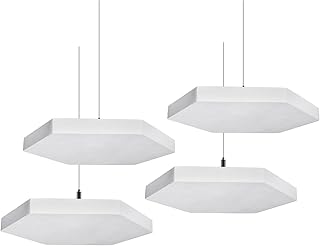
Best for: Recording rooms, home theaters, offices, or other spaces where suspended sound treatment is preferred over replacing ceiling tiles. Each coated fiberglass panel measures 14.2 by 12.4 by 1.2 inches, and the package contains four. TroyStudio says hanging panels can absorb sound from both sides while keeping wall space available.
The product is intended to reduce room reflections, echo, and reverberation. Its fully coated fiberglass surface is described as helping avoid itchiness as much as possible. Choose it if you want individual panels suspended from above rather than tiles resting in a ceiling grid.
Limitation: These are relatively small hanging panels, not 2-by-2-foot drop-in tiles. The listing does not specify a ceiling-grid installation method.
SD SODOCT Pyramid Acoustic Foam

Best for: Buyers treating echo in a recording studio, home theater, or office who are open to an acoustic-foam alternative. The package contains 24 foam panels described as 2 inches thick. Their pyramid surface is designed to increase surface area for sound absorption and diffusion.
This option is relevant when the main goal is improving room acoustics rather than fitting a suspended ceiling grid. The listing describes the foam as flame retardant and intended to reduce echo and reverberation.
Limitation: The product is described as foam panels for walls, not as drop-in ceiling tiles. Do not assume a ceiling mounting method or fire-rating documentation beyond the listing’s stated description.
High Density Self-Adhesive Acoustic Panels
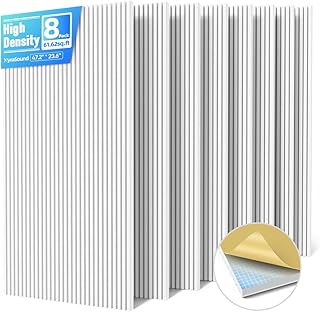
Best for: Buyers seeking an adhesive-mounted alternative for a smooth surface. This eight-pack is described as high-density panels with peel-and-stick backing. The listing says they can be applied to walls, ceilings, or other smooth surfaces and are intended to absorb echoes and reverberation in spaces used for recording or broadcasts.
Choose this type if you do not have a drop-ceiling grid and want a direct-mount treatment. The adhesive backing is meant to avoid the need for separate glue or tools during installation.
Limitation: These are acoustic panels, not structural ceiling tiles. The product listing does not establish suitability for every ceiling finish, so check surface condition and installation directions first.
Buying Guide: How To Choose Sound Absorbing Ceiling Tiles
Do you have a suspended ceiling grid?
If your room has a T-grid, start with tiles made for that system. Compare the tile dimensions and grid width with your existing ceiling before ordering. Drop-in tiles are generally a more direct fit for grid replacement than adhesive panels or hanging baffles.
Do you need drop-in tiles or mounted panels?
Drop-in tiles rest in a compatible ceiling grid. Hanging panels suspend below the ceiling, while adhesive panels attach directly to a suitable surface. These formats are not interchangeable. Consider available clearance, fixtures, and whether you want to preserve access above a suspended ceiling.
Which features matter in your room?
For rooms with humidity concerns, compare products that specifically state humidity resistance. If fire rating is a purchase requirement, confirm the exact product documentation and applicable local requirements. For studios and media rooms, focus on the stated sound-absorption purpose and the amount of ceiling or wall area you plan to treat.
How much coverage should you plan for?
Use the package’s stated dimensions and coverage to estimate the quantity needed. Account for lights, vents, and other openings, as well as cuts along room edges. Do not assume that a product’s acoustic claims guarantee soundproofing; sound absorption primarily addresses reflections and reverberation within a room.
Frequently Asked Questions
Do sound absorbing ceiling tiles soundproof a room?
They are intended to absorb sound and reduce reflections or reverberation. They should not be treated as a guarantee that sound will be blocked from entering or leaving a room.
Can acoustic foam replace drop-ceiling tiles?
No. Foam panels are a different product format and do not sit in a ceiling grid unless specifically designed for that installation. The foam option above is listed as wall panels.
Can drop-in tiles be cut around lights?
The Art3d listing says its polyester tiles can be trimmed for lights, vents, and other fixtures. Use the manufacturer’s guidance and take care when cutting.
What should I check before buying ceiling tiles?
Check tile size, grid type, edge style, package coverage, installation method, and any fire or humidity requirements relevant to your room.