For a solar thermal system that heats household water through passive circulation, the 180-liter evacuated-tube heater is the closest match in this selection because it combines a tank with heat-pipe tubes. The two- and four-panel SW-38 kits are better for buyers seeking solar heat integrated with an existing gas or electric water heater. The MISOL item is a collector, not a complete water-heating system, while the Renogy panel produces electricity rather than heat. Check system type and installation requirements before choosing.
| Product | Best suited for | What it includes |
|---|---|---|
| 180-Liter Passive Water Heater | Buyers seeking an integrated passive-style heater | Pressurized tank and evacuated tubes |
| 2-Panel SW-38 Kit | Smaller solar thermal installations | Two-panel hybrid kit |
| 4-Panel SW-38 Kit | Buyers comparing a larger collector kit | Four-panel hybrid kit |
| MISOL 10-Tube Collector | Buyers sourcing a collector component | Ten evacuated glass tubes |
| Renogy 200W Bifacial Panel | Solar-electric projects, not solar thermal | Photovoltaic panel |
180-Liter Passive Evacuated-Tube Water Heater

This is the closest listed fit for buyers searching for a passive solar thermal water heater with an attached storage tank. The product description specifies a 180-liter pressurized tank for domestic water supply, evacuated tubes, and 14 mm TU1 copper heat pipes. Its listed maximum operating pressure is 100 psi.
It is best for buyers who want a tank-and-collector product rather than a standalone collector. The listing also identifies a controller, zinc outer shell and stand, winter-resistant construction, and high-boron silicon glass. These details make it easier to compare with systems that require separate storage.
Limitation: The supplied information does not specify installation dimensions or local code requirements. Confirm site suitability and installation instructions before purchase.
Two-Panel SW-38 Hybrid Solar Water Heater Kit

The two-panel SW-38 kit is best for homeowners or cabin owners considering a smaller solar thermal installation connected to an existing water heater. Its listed features say it uses sunlight to heat water and connects to an existing electric or gas heater. The hybrid arrangement is intended to retain conventional water-heating backup when sunlight is limited.
Choose this if the goal is to add solar heating while keeping an existing heater in the system. It differs from the 180-liter unit because the supplied description emphasizes a hybrid connection rather than an attached pressurized storage tank.
Limitation: The product details provided do not state tank capacity, installation requirements, or collector dimensions. Verify those specifications before deciding whether the kit suits the home.
Four-Panel SW-38 Hybrid Solar Water Heater Kit

This kit is best for buyers comparing a four-panel option for a house or cabin that already has a gas or electric water heater. Like the two-panel version, it is described as a hybrid system that uses solar heat and connects to an existing heater. The listed product information presents the panel count as its main distinction from the smaller kit.
Choose this over the two-panel kit if the four-panel configuration better matches the planned installation. Both descriptions mention conventional backup for cloudy conditions, but the available details do not provide a quantified output comparison.
Limitation: Do not assume that more panels guarantee a particular water temperature or household capacity. Confirm the system’s specifications and installation needs with the seller or installer.
MISOL 10-Tube Solar Thermal Collector

The MISOL product is best for buyers sourcing a collector component for a solar hot-water project, rather than shoppers seeking a complete water heater. Its listed design has ten vacuum glass tubes, each 58 mm in diameter and 500 mm long. The manifold has an aluminum-alloy outer shell and a rock-wool insulation layer.
It is included because evacuated-tube collectors are relevant to solar thermal water heating. However, the listed features do not describe an attached tank or establish that this collector is a complete circulation system. Compare its dimensions and connection requirements with the rest of the planned system.
Limitation: The product description provided does not identify included storage or controls. Buyers should verify exactly which components are included.
Renogy 200W Bifacial Solar Panel
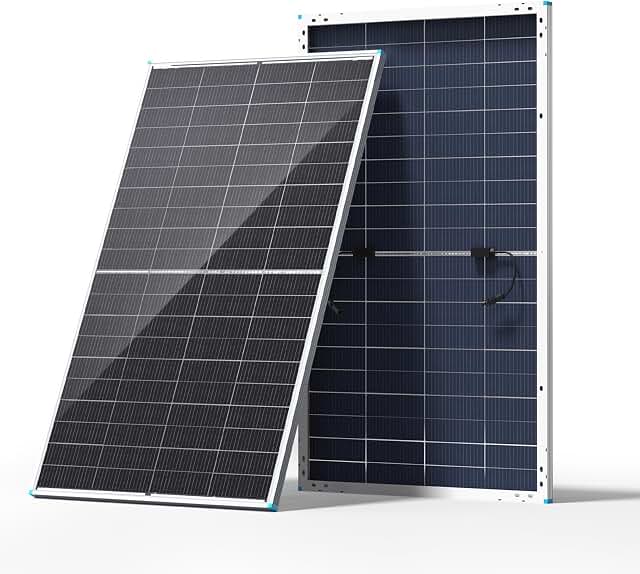
This panel is best for solar-electric projects, not for directly heating water through passive thermal circulation. Its listed features include 200-watt output, bifacial photovoltaic design, N-type cells, and an anti-shading design. It is described for battery and off-grid applications, among other uses.
It is included as a useful distinction for shoppers comparing solar products: photovoltaic panels generate electricity, while solar thermal collectors capture heat for water heating. Choose this only if the project calls for electricity to power equipment or charge a battery.
Limitation: It is not described as a solar water heater or thermal collector, so it is not a substitute for the other solar thermal products in this guide.
Buying Guide
What does passive solar circulation mean?
Passive circulation generally relies on natural movement of heated fluid rather than a pump. Product labels alone may not confirm how a specific system circulates water, so check the installation manual and system diagram. Look for clear information about the collector, storage tank, plumbing arrangement, and any required controls.
Should you choose a complete heater or a collector?
A tank-and-collector unit may suit buyers looking for a more integrated product. A standalone collector, such as the listed MISOL item, is a component and may require compatible storage and other parts. Confirm what is included before comparing products.
How do the two SW-38 kits differ?
The supplied descriptions identify two panels in one kit and four in the other. Both connect to an existing gas or electric water heater and are described as hybrid systems. The product details do not provide enough information to calculate expected output, so compare specifications and installation plans rather than assuming capacity from panel count alone.
What should you check before installation?
Review roof or mounting suitability, system dimensions, plumbing connections, pressure requirements, and local building or plumbing rules with a qualified installer. For a pressurized unit, confirm that its stated operating pressure is suitable for the intended setup. Also ask how the system handles low-sun conditions and whether backup heating is part of the configuration.
Frequently Asked Questions
Which listed product is closest to a passive solar water heater?
The 180-liter evacuated-tube heater is the closest match because its description combines a pressurized domestic-water tank with evacuated tubes and heat pipes.
Are the SW-38 kits complete water heaters?
The provided descriptions call them hybrid solar water-heater kits that connect to an existing gas or electric heater. They do not specify every included component, so verify the package contents.
Is the MISOL collector a complete system?
The supplied details describe a ten-tube collector and manifold, but do not specify an attached storage tank. Treat it as a collector component unless the seller confirms otherwise.
Can the Renogy panel heat water directly?
The Renogy product is a photovoltaic panel that generates electricity. It is not described as a direct solar thermal water heater.
Do more panels guarantee more hot water?
No output or capacity figures are provided for the SW-38 kits. Panel count alone does not establish how much hot water a particular installation will provide.