If you’re looking to store solar-heated water efficiently, these top-rated solar hot water storage tanks offer reliable insulation, corrosion resistance, and compatible heat-exchange options. This guide highlights models suited for residential use, off-grid setups, or retrofit projects. The best picks balance capacity, material quality, and ease of integration. Read on to find which tank fits your hot water needs and budget while delivering durable performance.
Summary of chosen products
| Product | Capacity | Key Material | Best For |
|---|---|---|---|
| 150 Liter Dual Copper Coil Tank | 150 L / 40 gal | Stainless inner, copper coils | Homes needing two heat exchangers |
| 150 Liter Single Copper Coil Tank | 150 L / 40 gal | Stainless inner, copper coil | Compact solar loop with simple install |
| 300 Liter Copper Coil Tank | 300 L / 79 gal | Stainless inner, copper coil | Higher demand households |
| Portable Stainless Steel Storage Tank | 160 L | 304 stainless steel | Water storage for mobile or embedded setups |
| Stiebel Eltron SBB 300 Plus | 80.6 gal | Dual heat exchangers | Solar, geothermal, or hydronic systems |
150 Liter Dual Copper Coil Solar Water Tank

Best for multi-loop solar setups, this tank combines a robust inner SUS 304-2B stainless tank with copper coil heat exchangers. The dual coil design supports separate solar primary and auxiliary heating circuits, helping maximize solar gains. It is ideal for households with two solar collectors or a primary-auxiliary heating strategy.
Who it’s best for: homeowners upgrading to a two-loop solar system or those adding an auxiliary heater for higher hot-water demand. Why selected: the dual copper coil configuration provides flexible heat transfer paths and efficient energy capture. Caution: ensure proper seal integrity around connections to prevent leaks in outdoor installations.
150 Liter Single Copper Coil Solar Water Tank

Best for compact solar projects with a single heat-exchange loop, this tank uses a food-grade SUS 304-2B inner tank and a 66 ft copper coil, delivering steady hot-water output for small to medium households. Outer galvanized shell provides rugged exterior protection for roof-mounted systems.
Who it’s best for: small families or retrofit installs where space is limited. Why selected: balanced insulation and a single copper coil deliver reliable performance with straightforward integration. Caution: check coil length and orientation to ensure proper circulation in your system.
300 Liter Stainless Steel Solar Water Tank
Best for higher hot-water demand or family-sized homes, this 300 L tank offers the same high-grade inner SUS 304-2B steel and 66 ft copper coil heat exchanger as its smaller sibling. The generous capacity supports longer solar days and reduced auxiliary heating needs.
Who it’s best for: larger households or properties needing expanded storage. Why selected: higher capacity reduces cycle frequency and supports consistent hot water during shoulder seasons. Caution: heavier unit may require reinforced mounting and proper structural support.
Portable 160L Stainless Steel Water Storage Tank
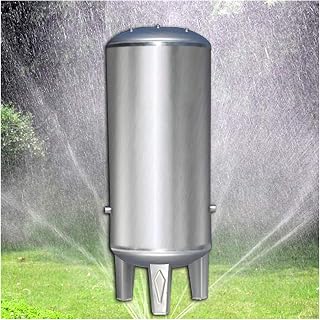
Best for mobile installations, temporary builds, or garden storage, this 160 L vertical tank is made from food-grade 304 stainless steel with an enclosed, pressure-rated design. It supports automatic pumping and pressure-based water delivery for reliable on-demand hot water in off-grid or temporary setups.
Who it’s best for: DIYers and temporary installations where portability matters. Why selected: the food-grade stainless construction minimizes contamination while the pressure-rated design helps maintain consistent flow. Caution: portability may come with mounting considerations to prevent tipping or stress on connections.
Stiebel Eltron SBB 300 Plus Dual Heat Exchanger Tank
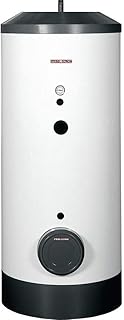
Best for robust, multi-source solar or hydronic systems, this model features dual heat exchangers and an 80.6-gallon capacity. It is designed for solar, geothermal, or hydronic integration, offering flexibility for larger homes or sophisticated setups.
Who it’s best for: homes with complex heating systems or those planning to combine multiple heat sources. Why selected: dual heat exchangers expand heat-transfer options and system compatibility. Caution: ensure compatibility with local codes and storage tank clearances in retrofit projects.
Buying Guide
What capacity do you need?
Consider daily hot-water usage and peak demand. Families typically benefit from 150–300 liters for main storage, while larger households or high-demand setups may require 300 liters or more. For off-grid or mobile installations, a compact tank with efficient insulation can minimize heat loss between sunny periods.
What materials influence durability?
Inner tanks made from food-grade stainless steel (SUS 304-2B) resist corrosion and scale, extending life in potable water systems. Copper coils offer efficient heat transfer, but the coil length and thickness affect pressure and flow. Outer shells of galvanized steel or stainless steel protect against weathering and impact.
How important is coil configuration?
Dual coils provide flexibility for separate solar and auxiliary heat circuits, which can improve solar responsiveness in mixed climates. A single coil is simpler and often sufficient for smaller homes or limited roof space.
What about insulation and energy efficiency?
High-quality polyurethane foam insulation with a high R-value minimizes standby heat losses. Look for density and R-values similar to 36 kg/m3 and R-12.5 or better to keep water hot longer after sunset.
Installation considerations
Check mounting weight, roof support, and clearances for service access. If retrofitting into an existing system, ensure compatibility with your heat source, solar loop, and pump configurations. For portable or temporary uses, design for stability and leak prevention during movement.
Maintenance and safety
Regular checks of coil connections, pressure relief valves, and insulation integrity help prevent leaks and inefficiencies. Ensure proper venting and pressure ratings to avoid over-pressurization. Always follow local codes for solar heating installations.
FAQs
- What is the benefit of a dual coil solar tank? It enables separate heat-transfer loops, allowing more flexible solar integration and improved hot-water delivery.
- Is stainless steel better than galvanized for the tank? Stainless inner tanks resist corrosion and provide safer potable water; galvanized outer shells offer rugged protection but may corrode if not well protected.
- Can I install these tanks on a sunny roof? Yes, but ensure structural support, proper orientation, and weatherproof connections to prevent leaks and wind damage.
- Do these tanks require external pumps? Many setups use an automatic pump to circulate water between collectors and the tank; verify compatibility with your loop design.
- Which tank is best for high hot-water demand? The 300 L option and the dual-exchanger models are generally better for higher usage and longer solar days.
- Are these tanks safe for direct potable water contact? Yes, units with SUS 304 inner tanks are designed for potable water, but verify product specs for each model.