R-19 faced insulation is a practical choice when you need fiberglass batts with an attached facing, but the right package depends on framing width, installation area, and coverage. The 853-square-foot kraft-faced bundle is best for larger exterior-wall projects; the 23-by-48-inch faced batts suit buyers seeking a wider batt format. For floors or ceilings where a separate moisture-control layer is planned, the unfaced options may be a better fit. Confirm facing type and package coverage before ordering.
| Product | Best For | Listed Coverage |
|---|---|---|
| R-19 batt bundle for 2×6 floors or walls | Large projects; facing details need confirmation | 775 sq. ft. |
| R-19 unfaced, 15 x 93 inches | Small projects needing unfaced batts | 77.5 sq. ft. |
| R-19 kraft-faced, 16 x 96 inches | Exterior walls and larger projects | 853.3 sq. ft. |
| R-19 faced, 23 x 48 inches | Projects suited to wider batts | 1,280 sq. ft. |
| R-19 unfaced floor-ceiling bundle | Between-floor and ceiling applications | 775 sq. ft. |
R-19 Fiberglass Batts for 2×6 Floors or Walls

This listing describes R-19 fiberglass batts for 2×6 floors or walls, sold as 10 bags with a stated total coverage of 775 square feet. It is best for buyers insulating a substantial area who have verified that the batt dimensions and package quantity match the project.
Why it was selected: The listing directly identifies R-19 batts and names both floor and wall applications, making it relevant to common 2×6 framing projects. The facing type and individual batt dimensions are not provided in the supplied product details, so confirm them before choosing it for an installation that requires a specific facing.
Unfaced R-19 Batts, 15 x 93 Inches

This unfaced fiberglass option has a listed thickness of 6.5 inches and fits deeper 2×6 walls or retrofit applications, according to its product details. One bag covers 77.5 square feet and contains eight batts. Choose it for a smaller project or an area where moisture control is handled separately.
Why it was selected: Its dimensions, thickness, and per-bag coverage are specified, which makes it easier to estimate material needs. It has no vapor-barrier facing, so avoid choosing it when the project specifically calls for faced batts; plan moisture control separately as appropriate.
Kraft-Faced R-19 Batts, 16 x 96 Inches
This package is listed as 10 bags of kraft-faced R-19 fiberglass batts, sized 16 inches wide by 96 inches long and 6.25 inches thick. The stated total coverage is 853.3 square feet. It is best for larger projects involving 2×6 exterior walls where kraft facing is the required product format.
Why it was selected: The listing identifies the R-value, facing, dimensions, thickness, and total coverage. Compare its 16-inch width with the spacing and layout of the framing before buying. The listed coverage is a package total, so measure the area and allow for cuts and waste rather than assuming every square foot will be usable.
Faced R-19 Batts, 23 x 48 Inches
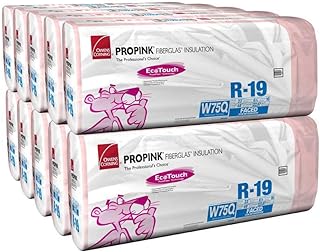
This listing describes faced R-19 fiberglass batts measuring 23 by 48 inches, intended for 2×6 floors or walls. It is sold as 10 bags, with stated total coverage of 1,280 square feet. It may suit buyers whose project is designed for this wider, shorter batt format and who need a large listed coverage amount.
Why it was selected: It offers faced R-19 insulation and explicitly names floor and wall use. The supplied details do not specify thickness or the facing material, so confirm those points and check that the batt size matches the framing. Its stated coverage is notably different from the other listings; verify package details before calculating quantities.
Unfaced R-19 Batts for Floors and Ceilings

This 10-bag bundle is listed as unfaced R-19 fiberglass batts measuring 15 by 93 inches, with 775 square feet of total coverage. The listing describes friction-fit use between floors and ceilings, as well as interior walls and some attic spaces when the stated air-space and ventilation conditions are met. It is best for buyers seeking unfaced batts for these applications.
Why it was selected: Its stated applications and package coverage make it a useful comparison for floor-ceiling projects. The listing says it has no paper backing or kraft facing and cannot be used for exterior walls. It also notes that insulation rods may be needed if additional support is required.
Buying Guide: How to Choose R-19 Faced Insulation
Should you choose faced or unfaced batts?
Faced batts have a backing, while unfaced batts do not. Choose a faced product when the project specification calls for that type of facing. Unfaced insulation may suit locations where a separate moisture-control approach is planned. Do not treat facing as interchangeable: check local requirements and the assembly design before installation.
What batt dimensions fit your framing?
Compare the listed batt width and length with the framing layout and the space being insulated. These products include 15-, 16-, and 23-inch widths, so the R-value alone does not determine fit. Avoid compressing batts to force them into an unsuitable cavity, and confirm dimensions on the product package.
How much coverage should you buy?
Measure the area, then compare it with the listed package coverage. Coverage varies from 77.5 square feet for one bag to more than 1,200 square feet for some bundles in this selection. Account for cutting and project layout, and verify whether the listing describes one bag or a multi-bag bundle.
Is R-19 suitable for every 2×6 application?
These listings describe R-19 products for various 2×6 uses, but the correct insulation depends on the actual cavity, building assembly, and project requirements. Check the product dimensions and applicable local guidance rather than relying on the R-value alone.
Frequently Asked Questions
What does R-19 mean on insulation?
R-19 is the insulation’s stated thermal resistance rating. Compare the rating alongside batt thickness, fit, facing, and the needs of the building assembly.
Can unfaced R-19 batts be used on exterior walls?
Use them only when the wall assembly and project requirements allow unfaced insulation. The 15-by-93-inch floor-ceiling listing specifically says it cannot be used for exterior walls.
Do faced batts include a vapor barrier?
Facing is a backing, but the supplied details do not identify the facing material for every product. Check the specific listing and package rather than assuming every faced batt has the same properties.
How do I estimate the number of bags?
Divide the measured area by the listed coverage per bag or bundle, using the correct package quantity. Allow for cuts and verify the seller’s stated coverage before ordering.
Can R-19 batts be used between floors?
Some listings specify floor-ceiling use, including the unfaced 15-by-93-inch bundle. Follow the product’s stated application and installation requirements.