If you’re upgrading a wood, oil, coal, or gas stove, a double-wall chimney pipe is a key safety and efficiency component. This guide reviews five top options, focusing on heat resistance, ease of installation, and durability to help you choose the right fit for your stove and space. Below, you’ll find concise product highlights, who each pipe is best for, and practical buying considerations.
| Product | Best For | Key Benefit |
|---|---|---|
| DuraVent DVL Double-Wall Chimney Stove Pipe | All-fuel stoves | Draft stability and safety |
| AllFuel HST 6″ x 48″ | High-heat, stainless needs | Superior corrosion resistance |
| Selkirk 6″ SureTemp 48” | Extreme heat environments | UL-listed for high temps |
| DuraVent DVL 6DVL-24 | Compact installs | Easy to install, reliable draft |
| AllFuel HST 8″ x 48″ | Large-diameter needs | Same high-quality class-A features |
DuraVent DVL Double-Wall Stove Pipe (6×48 in)

The DVL double-wall pipe is designed to improve safety and efficiency for stoves burning wood, oil, coal, or gas. The double-wall construction helps maintain high flue temperatures, supporting a robust draft and steady exhaust flow. This option is best for buyers who want a reliable, all-fuel venting solution and straightforward installation.
Best for: Homeowners seeking a versatile venting solution that supports multiple fuels with a focus on draft stability and practical install details.
Why chosen: It emphasizes safe venting and effective smoke expulsion, which is crucial for stable stove operation in variable conditions.
Caution: Specific installation clearances and compatibility must match your existing chimney system to ensure optimal performance.
AllFuel HST 6″ x 48″ Class-A Double Wall Chimney Pipe

This AllFuel HST pipe features 304 stainless steel inner and outer walls with laser-welded seams, offering superior corrosion resistance. It’s insulated with a ceramic fiber blanket to provide a 2″ clearance to combustibles while maintaining high internal flue temperatures for a proper draft. It’s a strong pick for buyers prioritizing durability and long-term performance in high-heat applications.
Best for: Buyers who want maximum corrosion resistance and a robust, high-temperature class-A solution for long-term use.
Why chosen: The stainless steel construction and tight-seam welding reduce potential crevice points and wear, promoting safer, efficient venting.
Caution: Not compatible with non-AllFuel or non-Class-A systems; ensure your setup matches the product’s compatibility notes.
Selkirk 6″ SureTemp 48” Double Wall Pipe
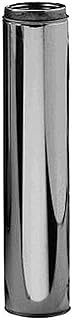
Selkirk SureTemp is designed to support safe venting for wood, coal, oil, or gas heating appliances. It’s UL-listed and tested to withstand up to 2,100 degrees Fahrenheit during surges, offering dependable protection and safety assurance. The stainless steel inner liner paired with a durable outer casing delivers a balance of strength and efficient venting.
Best for: Buyers needing a high-temperature-rated pipe with proven safety credentials for demanding draft scenarios.
Why chosen: Extreme heat tolerance helps reduce creosote formation risk and maintains consistent draft during rapid temperature swings.
Caution: Extreme conditions or improper clearances may still require professional installation to maximize safety.
DuraVent DVL 6DVL-24 Double-Wall Wood Stove Pipe

The DVL 6DVL-24 offers a snug fit for quick and straightforward installation, designed to vent smoke and exhaust from wood, oil, coal, and gas fuels. It emphasizes maintaining high flue gas temperatures to sustain a strong, steady draft, supporting efficient operation for smaller stoves or tent stove setups.
Best for: Homeowners seeking an easy-to-install option that still prioritizes draft quality and multi-fuel venting capabilities.
Why chosen: Its easy installation profile helps reduce labor time while still delivering dependable venting performance.
Caution: Ensure compatibility with your stove outlet size and chimney system to avoid fitment issues.
AllFuel HST 8″ x 48″ Class-A Double Wall Chimney Pipe
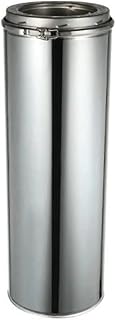
This 8-inch AllFuel HST pipe mirrors the 6-inch model’s high-quality stainless steel construction and laser-welded seams. It’s insulated with a ceramic fiber blanket to maintain a 2″ clearance to combustibles while keeping internal flue temperatures high enough for an effective draft. It’s well-suited for larger-diameter venting needs in all-fuel systems.
Best for: Buyers with larger stove outlets or longer vent runs who still require class-A performance and durability.
Why chosen: The larger diameter expands compatibility with higher-capacity stoves and longer vent paths, helping sustain draft and reduce creosote buildup.
Caution: Larger diameter requires appropriate clearances and a compatible chimney layout; professional guidance may be beneficial for complex installations.
Buying Guide: Key Factors To Consider
- Fuel compatibility: If your stove runs on wood, oil, coal, or gas, a true all-fuel double-wall pipe can simplify installation and maximize safety.
- Material and corrosion resistance: Stainless steel inner and outer walls offer better corrosion resistance than galvanized options, especially in damp or acidic environments.
- Heat tolerance: Choose pipes rated for high temperatures if your stove experiences rapid heat surges or heavy use to prevent creosote buildup and vent degradation.
- Insulation and clearance: Ceramic fiber blankets provide a safe clearance to combustibles. Confirm your space requires a specific clearance and whether a 2″ or other distance is necessary.
- Diameter and length: Match the pipe diameter to your stove outlet and chimney size. Longer runs may demand better insulation to maintain draft.
- Ease of installation: Some models emphasize quick installation with straightforward fittings, reducing labor and potential errors.
- Warranty and compatibility: Verify compatibility with your existing class-A chimney components and ensure the chosen pipe is designed to fit your system.
Frequently Asked Questions
- What is double-wall chimney pipe used for?
Double-wall chimney pipe provides safe venting of smoke and exhaust from stoves and furnaces while helping maintain a stable draft and reducing heat transfer to surrounding materials.
- Can I mix brands of class-A chimney pipe?
Most manufacturers advise using components within the same brand family for guaranteed compatibility, especially for class-A double-wall systems.
- Why is stainless steel often preferred?
304 stainless steel inner and outer walls resist corrosion better than galvanized steel and stay durable under high temperatures, extending system life.
- What does “2″ clearance to combustibles” mean?
It means the pipe’s insulation maintains at least a 2-inch gap between the pipe and flammable materials to prevent heat transfer and fire risk.
- Is a larger diameter always better?
Not always; choose diameter to match your stove outlet and chimney. A mismatched size can reduce draft or hinder installation.
- Do all of these pipes support gas stoves?
Yes, the listed options are designed for multiple fuels, including gas, but always confirm compatibility with your specific appliance and venting setup.