Finding the right cane webbing for cabinet doors improves both style and airflow in any kitchen, living area, or workshop. This guide highlights five top Amazon products that are ideal for caning cabinet doors, detailing who they’re best for and how they compare. If you’re restoring furniture, crafting modern cabinet fronts, or replacing worn panels, these webbing rolls and sheets offer reliable open-mesh patterns and durable natural materials.
Buyer’s note: the best choice depends on door size, desired mesh density, and your DIY experience. The selections below emphasize natural rattan cane webbing with open mesh designs, which are popular for cabinet doors due to their classic look and breathability. A quick comparison table is provided to help you decide at a glance.
| Product | Best For | Approx. Mesh Type |
|---|---|---|
| 24″ Width Natural Cane Webbing 5Ft | Small to medium cabinet doors, restoration projects | Open mesh, natural cane |
| DHOEM 24″ x 10FT Natural Rattan Webbing Roll | Versatile DIY repairs, long runs, doors and furniture | Open mesh, natural rattan |
| 24″ Width Natural Square Cane Webbing 5 ft | Square-mesh panels, retro or craftsman styles | Square weave, natural rattan |
| 24″ x 119″ Extra Long Natural Rattan Webbing Roll | Large doors, multiple panels, bulk projects | Open mesh, long roll |
| Wesiti 14″X 59″ Natural Rattan Cane Webbing | Smaller panels, accent doors, budget-friendly projects | Open mesh, slim width |
24″ Width Natural Cane Webbing 5Ft – Open Mesh for Cabinet Doors

This natural cane webbing roll provides a classic open mesh suitable for cabinet doors facing regular use. Best for DIYers completing a restoration or creating a rustic pantry front, this 5-foot length offers flexibility for multiple panels. The material resists common wear when cut to fit standard 24-inch door openings. A potential limitation is the need for precise trimming and secure stretching to avoid sag on larger panels.
DHOEM 24″ x 10FT Natural Rattan Webbing Roll

Ideal for larger cabinet projects or multiple panels, this 10-foot natural rattan roll is well-suited for DIY repairs and door replacements. The open mesh design ensures visibility and airflow, which is helpful for moisture-prone kitchens or laundry areas. Best for those who need a longer length in one piece. A potential drawback is the need for careful alignment on longer spans to maintain consistent tension across panels.
24″ Width Natural Square Cane Webbing 5 ft

Square-mesh cane webbing offers a distinct look for traditional or craftsman-style cabinet doors. The 5-foot length is convenient for a single large door or several smaller panels. It’s best for projects requiring a more geometric pattern. Avoid this if you prefer a rounder mesh or if your door opening is wider than the available roll width, as seam alignment can be more noticeable.
24″ x 119″ Extra Long Natural Rattan Webbing Roll

This very long roll is designed for big DIY doors or projects with multiple panels. Best for builders handling a series of cabinet fronts, or for replacements on tall pantry doors. The long length reduces seams across large spans, but it requires careful handling to avoid kinks during installation. Consider this option if your project calls for fewer seams and a continuous look.
Wesiti 14″X 59″ Natural Rattan Webbing
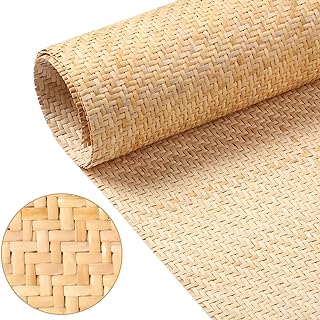
Best for smaller cabinet doors or accent panels, Wesiti’s 14-by-59-inch sheet provides a compact, cost-conscious solution. It’s a good choice for hobbyists or for adding a single decorative panel to a larger door. A limitation is the shorter length, requiring more seams if you cover larger surfaces, which can alter the uniformity of the weave if not aligned carefully.
Buying Guide: How to Choose Cane Webbing for Cabinet Doors
- Door size and panel layout: Measure door width, height, and the number of panels. Longer rolls reduce seams on tall doors, while shorter rolls are easier to handle for small panels.
- Mesh pattern preference: Open mesh is breathable and simple to tension; square mesh offers a more geometric look. Choose based on style goals for the cabinet front.
- Material quality: Natural rattan or cane webbing provides classic aesthetics and flexibility. Look for uniform weave and minimal fraying along edges.
- Installation considerations: Plan for removal of old webbing, accurate cutting, and even tension during stapling or lacing. Consider corner reinforcements if doors are frequently opened and closed.
- Durability and maintenance: Cane webbing handles light moisture better when sealed or treated. For kitchens, ensure adequate airflow to prevent mold on damp panels.
- Budget and project scope: For multiple doors, a longer roll often reduces waste and seams. Smaller panels can benefit from narrower or pre-cut sheets.
Frequently Asked Questions
- What is cane webbing best used for on cabinet doors? It provides a breathable, decorative surface that can be replaced or restored without major structural changes.
- How do I install cane webbing on cabinet doors? Remove old material, cut the webbing to fit, and secure with staples or adhesive along the edges, ensuring even tension across the surface.
- Which mesh pattern is most durable for frequent use? Open mesh with tight weave generally offers reliable durability and airflow for everyday cabinet doors.
- Can I mix different webbing patterns on a single door? Yes, but ensure a cohesive design by balancing panels and maintaining consistent tension across seams.
- How should cane webbing be maintained over time? Regular cleaning with a soft brush or cloth helps, and periodic inspection of edges and corners prevents sagging.
- Is natural cane webbing suitable for high-moisture areas? It can be used, but consider sealing and proper ventilation to minimize moisture-related issues on closed doors.