If you need a basement sump pump system that protects against heavy rain, snowmelt, and power outages, these five options are among the most capable. This guide highlights systems for different needs—from compact basins to high-capacity backup-ready setups—so you can pick what fits your space and budget. The top picks cover hard-wearing materials, automatic operation, and ease of installation. Best for households seeking uninterrupted basement dryness, best for large pits, and best for portable or budget-friendly setups are all included.
| Product | Best Use | Key Feature |
|---|---|---|
| Wayne Preassembled Primary & Battery Backup Sump Pump Combo System | Backup-ready homes | Integrated 12V backup with 5,100 GPH |
| WAYNE CDU790-1/3 HP Submersible | Small to medium basins | Cast iron & stainless steel, 4,600 GPH |
| WAYNE CDU980E 3/4 HP Submersible | Mid to large basins | 5,490 GPH, durable construction |
| FOTING 1HP Sump Pump | High-flow, portable needs | 4600 GPH, 31 ft lift |
| Little Giant 1/3 HP Compact System | Compact spaces | 3.5-gallon tank, automatic diaphragm switch |
Wayne Preassembled Primary & Battery Backup Sump Pump Combo System

Best for homes needing immediate power-backup protection. This Wayne WSS30VN system is a 1/2 HP indoor unit designed to keep basements dry during heavy water flow, including when the power fails. It supports up to 5,100 gallons per hour and can evacuate up to 10,000 gallons on a single battery charge with the WSB1275 75 Ah battery (not included). The unit is preassembled for quick, drop-in installation within about 15 minutes. It fits 16″ or larger sump basins, making it suitable for standard residential pits. This is the optimal choice for buyers who want a reliable primary pump with a robust, ready-to-go backup option. Best for: homeowners seeking a ready-to-install, backup-capable sump solution that minimizes downtime during outages. Caution: Battery backup requires purchasing the compatible Wayne 75 Ah battery separately.
WAYNE CDU790-1/3 HP Submersible Cast Iron and Stainless Steel Sump Pump

Best for compact, budget-conscious basins with dependable automatic operation. The CDU790 combines cast iron and stainless steel for durability in a relatively small footprint, delivering up to 4,600 GPH. The integrated vertical float switch supports automatic activation, which is advantageous for homes with fluctuating water levels. It’s suitable for standard laundry rooms, basements, or utility pits where space is limited. Choose this if you need a sturdy, lower-capacity pump that still offers automatic control and corrosion resistance. Caution: 4,600 GPH may be insufficient during extreme flooding scenarios in very large basins.
WAYNE CDU980E 3/4 HP Submersible Sump Pump

Best for higher-capacity needs in moderate-to-large basins. The CDU980E uses a 3/4 HP motor to pump up to 5,490 GPH and features a sturdy cast iron and stainless steel construction with an integrated vertical float switch. It’s designed for long-term use in tough sump environments and fits standard pits. Best for homes facing frequent basement flooding where reliability and higher flow are essential. Caution: Heavier unit may require more effort during installation, and 3/4 HP may be more than needed for small pits.
FOTING 1HP Sump Pump 4600GPH
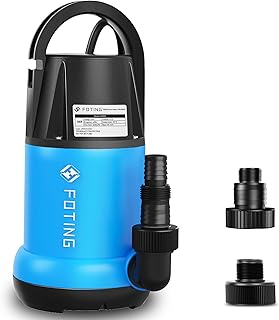
Best for high-flow, portable drainage tasks and multi-purpose water removal. The FOTING pump delivers up to 4,600 GPH with a 1 HP motor and can lift water up to 31 feet. Its thermoplastic housing offers corrosion resistance, and the unit includes a 10-foot power cord for flexibility. It is well-suited for basements, pools, ponds, or hot tubs that require rapid water removal. Choose this if you need a powerful transfer pump with a long cord and straightforward maintenance. Caution: Housing is thermoplastic, which may be less durable than metal in extremely harsh environments.
Little Giant 1/3 HP Compact Automatic Sump Pump Basin System

Best for tight spaces where a compact, preconfigured unit matters. This Little Giant system features a 3.5-gallon tank, a 1/3 HP motor, and an automatic diaphragm switch for reliable start-stop control. It is ideal for light-to-moderate basement dampness or auxiliary drainage in tight utility areas. Choose this if you need a small footprint with automatic operation. Caution: Limited capacity compared to larger submersible units may require placement with higher water levels to trigger operation.
Buying Guide: Key Considerations For Basement Sump Pumps
- Flow rate and lift height: Match GPH and maximum lift to your basement size and typical flood scenarios. Higher horsepower pumps handle larger volumes and higher water columns.
- Material durability: Cast iron and stainless steel offer longevity in tough environments; thermoplastic housings save cost but may be less durable in harsh use.
- Power backup needs: If outages are common, prioritize a system with an integrated battery backup or a separate, easily installed backup unit.
- Automatic vs manual: Automatic diaphragms or vertical floats simplify operation for unattended basements, while manual pumps require supervision.
- Footprint and basin size: Check the sump basin diameter and depth to ensure the pump fits, especially for compact homes.
- Installation simplicity: Preassembled units reduce labor time; verify whether any drilling or modifications are required for your sump pit.
- Maintenance considerations: Look for accessible service points and removable screens to ease debris cleaning and prolong life.
FAQ
- What size sump pump do I need for a small basement? A 1/3 to 1/2 HP unit is typically sufficient for small basements with moderate water, while backup features add protection during outages.
- Is a backup battery really necessary? For homes in flood-prone areas or with frequent outages, a backup battery ensures water removal continues during power loss.
- How do I choose between cast iron and thermoplastic? Cast iron offers durability and longevity; thermoplastic is lighter and corrosion-resistant but may be less robust in heavy-use scenarios.
- Can I install a sump pump myself? Many units are designed for DIY installation and fit standard pits, but electrical work may require a licensed professional.
- What maintenance is required? Regularly inspect for debris, clean intake screens, and test automatic activation to ensure reliable operation.
- Do pumps come with warranties? Warranty terms vary by model; confirm coverage with the seller and read what is included in the warranty.