The best royal blue pool paint choices combine durable coatings with eye‑catching color and simple application. This guide highlights five top picks that suit different pool surfaces and climates, helping you pick a long‑lasting finish. Ideal buyers include DIY homeowners, pool maintenance pros, and property managers seeking a bold, low‑maintenance update. Below is a quick, at‑a‑glance table of featured products and who they’re best for.
| Product | Best For | Surface | Finish Type |
|---|---|---|---|
| Pool Paint 1 Gallon Bikini Blue (SENVEN) | DIY homeowners seeking fast drying | Concrete, plaster, masonry | Acrylic, waterborne |
| Olympic Pool Paint Zeron Viking Blue (Kelley Technical Coatings) | Long‑lasting epoxy for busy outdoor pools | Plaster, fiberglass, steel, aluminum | Two‑part epoxy |
| Olympic Pool Paint Zeron Blue Ice (Kelley Technical Coatings) | Cold‑weather or UV‑high environments | Plaster, fiberglass, steel, aluminum | Two‑part epoxy |
| INSL-X Aquamarine Waterborne Pool Paint | Freshwater or saltwater pools needing quick dry | Concrete, plaster, masonry | Waterborne acrylic |
| YOA Ocean Blue Pool Paint | DIY projects with thorough prep guidance | Cement, putty, walls, floors | Custom mixing for thickness |
Note: The table above is for quick comparison. Each product has unique preparation, coverage, and curing requirements. Review the detailed sections below to determine best fit for your pool’s surface and climate.
Pool Paint 1 Gallon Bikini Blue — SENVEN

Summary: Premium waterborne acrylic pool paint designed for fresh‑water and saltwater pools. It adheres to concrete, plaster, and masonry and offers a tile‑like finish with resistance to UV, stains, and pool chemicals.
Best for: DIY homeowners wanting a fast‑drying, easy‑to‑apply coating over existing pool paint or clean, prepared surfaces. It’s suitable for rough plaster, gunite, and sandblasted pools.
Why chosen: Straightforward two‑coat application with a quick 3–8 hour recoat window, and it’s designed to seal minor hairline cracks while delivering solid coverage (approx. 70–80 sq ft per gallon).
Caution / limitation: May require surface priming on heavily worn areas. This is a waterborne acrylic formulation, which may behave differently in very hot or freezing conditions during application and curing.
Olympic Zeron Viking Blue — 1 Gallon

Summary: Two‑part epoxy pool paint with base and catalyst, designed for durable performance on a variety of pool surfaces.
Best for: Pools that see heavy chemical use or sun exposure, including plaster, fiberglass, steel, and aluminum pools.
Why chosen: A robust epoxy system that tends to provide longer wear than single‑component paints, suitable for high‑traffic areas and outdoor environments.
Caution / limitation: Requires precise mixing and timely use to prevent pot life issues; application temperature and curing conditions influence final results.
Olympic Zeron Blue Ice — 1 Gallon

Summary: Another two‑part epoxy option in a cooler blue shade, designed for extended pool life on diverse substrates.
Best for: Pools with varied material compositions, including plaster and metal components, where durability is the priority.
Why chosen: Similar application and coverage to Viking Blue, offering a dependable, resilient finish for outdoor pools.
Caution / limitation: Like other epoxies, requires careful mixing and immediate use after catalyst addition; solvent exposure and curing conditions matter for optimal performance.
INSL-X Aquamarine Waterborne Pool Paint — 1 Gallon
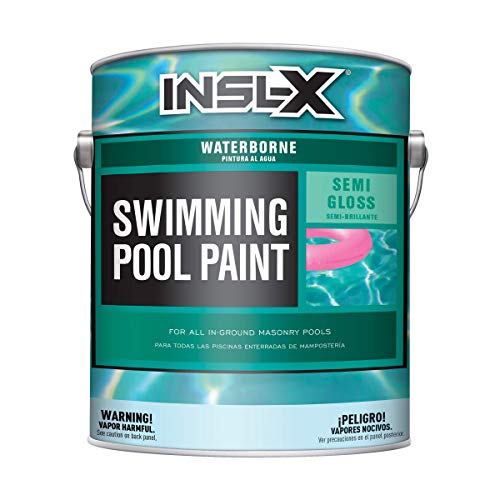
Summary: Waterborne acrylic pool paint designed for fresh or saltwater use with quick drying characteristics.
Best for: Pools needing a gentle, low‑VOC option with reliable adherence to concrete, plaster, or masonry surfaces.
Why chosen: It provides a bright aquamarine hue with practical maintenance and cleanup benefits typical of waterborne systems.
Caution / limitation: May require longer cure times in cooler or shaded environments; check compatibility with existing coatings before application.
YOA Ocean Blue Pool Paint — 1 Gallon
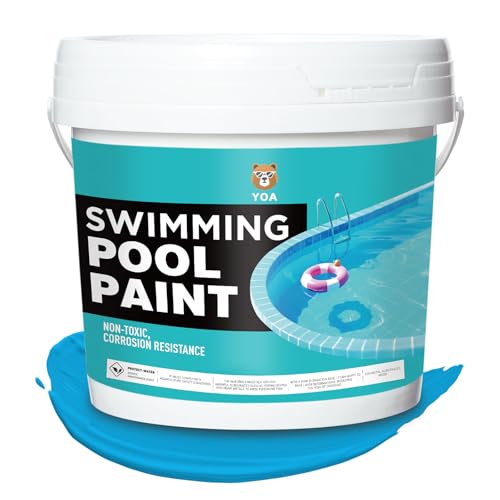
Summary: DIY‑friendly pool paint designed for cement, putty, and compatible substrates with a focus on oceanic blue aesthetics.
Best for: DIY projects requiring a custom mixing approach to achieve the desired thickness and color depth.
Why chosen: Flexible mixing guidance and a color option that aligns with a royal blue or deep ocean aesthetic in many pools.
Caution / limitation: Preparatory steps and mixing ratios are critical for adhesion; follow the included instructions closely for best results.
Buying Guide
What surface are you coating?
Epoxy two‑part systems work well on plaster, fiberglass, and steel; acrylic waterborne paints are often best for concrete, plaster, and masonry when a quick dry is desired. Consider whether you want to coat over existing paint or start with a prepared surface.
How important is durability and chemical resistance?
Two‑part epoxies typically offer longer wear and resistance to pool chemicals and UV exposure, but require precise mixing and proper curing conditions. Waterborne acrylics are easier to apply and cleanup but may wear faster in harsh climates.
What climate and installation conditions apply?
Hot or humid climates can affect curing times for acrylics. Cooler or shaded environments may slow drying for some formulations. Always follow product temperature guidelines and allow adequate cure time before water exposure.
What level of color and finish do you want?
Royal blue tones range from bright to deep navy hues. Epoxies tend to preserve color longer, while acrylics can show more color variation if surface prep is uneven.
Preparation and adhesion considerations
Proper cleaning, degreasing, and light sanding are essential before painting. For some products, applying over lightly sanded surfaces without stripping old paint is possible, but verify adhesion requirements first.
Coverage expectations
Typical coverage ranges from about 70–80 sq ft per gallon for acrylics and 125–150 sq ft per gallon for many epoxy systems. Actual coverage depends on surface texture and porosity.
Maintenance and long‑term care
Periodic inspection for chipping or peeling helps determine when a fresh coat is needed. Avoid abrasive tools that can scuff the coating, and follow manufacturer guidance for cleaning and chemical exposure.
Quick tips for best results
- Prepare a small test area to verify adhesion and color depth before full application.
- Mixers and catalysts should be measured precisely in two‑part systems.
- Maintain uniform application with consistent coat thickness.
Short FAQ
- Q: Can I paint over old pool paint?
- A: Many products allow coating over properly prepared existing paint, but verify compatibility with the specific product.
- Q: Do these paints work in saltwater pools?
- A: Yes, several options are designed for both freshwater and saltwater pools; check the product specifics for your pool type.
- Q: How soon can I refill the pool after painting?
- A: Follow the paint’s cure time recommendations; usually a full cure occurs after a few days, but avoid prolonged exposure to pool activities until cured.
- Q: Is one coat enough?
- A: Most pool paints require two coats for best coverage and durability; always follow the manufacturer’s recoat window and instructions.
- Q: Are there environmental or VOC considerations?
- A: Waterborne acrylics typically have lower VOCs than traditional solvent‑based epoxies, but confirm the product specification for exact values.