Timber look floor tiles offer a practical alternative to real wood, delivering the warmth and grain texture of wood with simple installation and maintenance. This guide highlights five popular options that balance cost, ease of installation, and durability for different rooms and lifestyles. The best picks vary by installation type—foam, vinyl plank, and interlocking deck tiles—so consider foot traffic, moisture exposure, and DIY comfort when choosing. Below is a snapshot of the top picks to help buyers match tiles to their space and use case.
| Product | Type | Best For |
|---|---|---|
| Sorbus Wood Grain Foam Floor Tiles | Foam interlocking mats | Basements, playrooms, home offices |
| Tivoli Peel & Stick Vinyl Floor Tiles | Vinyl planks | Dry areas, quick remodels |
| Nexus Peel & Stick Vinyl Floor Tiles | Vinyl tiles | Budget-friendly upgrades for kitchens, baths |
| Forest Floor Farmhouse Foam Tiles | Printed foam interlocking | Stylish, anti-fatigue flooring |
| Majestick Goods Longboard Acacia Tiles | Acacia wood interlocking deck tiles | Patios, sunrooms, covered outdoor spaces |
Each product serves a distinct buyer profile—from DIY enthusiasts seeking fast upgrades to homeowners needing moisture-tolerant options. The following sections break down why each tile stands out, who should pick it, and any limitations to consider before purchasing.
Sorbus Wood Grain Foam Floor Tiles

What it is: Interlocking foam tiles with wood grain texture, 3/8-inch thick, covering 16 square feet. Best for areas where cushioning and easy cutting matter.
Who it’s for: Ideal for basements, home offices, or playrooms where a softer underfoot feel and quick installation are priorities. The foam design makes it beginner-friendly for temporary or semi-permanent setups.
Why chosen: Strong for impact absorption and straightforward to cut to fit irregular spaces. The foam surface gives a warm, wood-like appearance without real wood maintenance.
Limitations: Not ideal for high-moisture areas or heavy wheeled equipment. Check for long-term durability in areas with heavy foot traffic or spills.
Tivoli Peel & Stick Vinyl Floor Tiles

What it is: 12 x 12 inch vinyl tiles with self-adhesive backing designed for multi-plank coverage, Oak wood-look finish.
Who it’s for: A good choice for renters or temporary remodels where a dry installation with minimal tools is preferred.
Why chosen: Durable surface detail plus wood-like texture provides a convincing timber aesthetic at a friendly install method. Self-adhesive backing speeds up projects without messy glue.
Limitations: Adhesive performance can vary with wall texture and prep; ensure clean, dry surfaces for best results.
Nexus Peel & Stick Vinyl Floor Tiles

What it is: Vinyl tiles in a decorative tile format with dimensional texture designed to coordinate closely with oak wood tones.
Who it’s for: Buyers seeking a budget-friendly upgrade that still adds a cohesive, wood-grain look across multiple rooms.
Why chosen: Offers a balanced combination of visual appeal and ease of installation for DIYers focused on consistency across repeated tiles.
Limitations: Like other peel-and-stick vinyl, surface prep matters; uneven subfloors may show gaps or lifting over time.
Forest Floor Farmhouse Foam Tiles
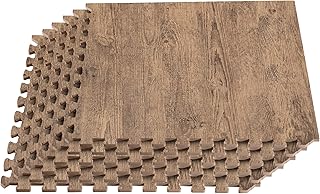
What it is: Printed foam tiles with farmhouse wood grain visuals and interlocking edges, designed for stylish, anti-fatigue flooring.
Who it’s for: Suitable for kitchens, home studios, or craft rooms where a soft, comfortable floor improves standing tasks.
Why chosen: Combines visual appeal with cushioned comfort and easy interlock assembly for quick setup and removal.
Limitations: Foam may compress in heavily trafficked areas over time; avoid wet environments or prolonged moisture exposure.
Majestick Goods Longboard Tiles

What it is: Longboard-style acacia wood interlocking tiles with raised base drainage for outdoor or semi-outdoor use.
Who it’s for: Best for patios, sunrooms, or covered outdoor spaces where outdoor-grade wood aesthetics are desired.
Why chosen: Real wood look with practical drainage and a rugged, easy-to-install format for larger outdoor areas.
Limitations: Exterior exposure may require weatherproofing maintenance; verify compatibility with outdoor conditions in your region.
Buying Guide
What matters most when choosing timber look floor tiles?
Material type matters for moisture, comfort, and durability. Foam tiles provide cushioning and quick setup, while vinyl tiles deliver a durable, washable surface. Interlocking deck tiles offer the strongest wood-like appearance for outdoor or semi-outdoor use. Consider room moisture, foot traffic, and whether you need a temporary or permanent solution.
Durability and installation considerations
Peel & stick vinyl requires clean, dry surfaces and even subfloors for best adhesion. Foam tiles are simple to cut to fit around edges but can compress in heavy use. Interlocking wood tiles deliver rigidity and a natural look but may need more preparation for a level base. Plan for trimming, underlayment, and edge finishing to prevent trip hazards.
Moisture and hygiene considerations
Vinyl and foam options handle spills better than some real-wood looks but are not all waterproof. For bathrooms and basements, choose moisture-tolerant vinyl or waterproof interlocking tiles. Regular cleaning with appropriate cleaners extends appearance and durability.
Style and color coordination
Wood grain texture and plank width influence room perception. Larger planks tend to visually enlarge spaces, while grayer or warmer tones affect mood. Match the tile grain and color to existing furniture, cabinetry, and lighting to achieve a cohesive look.
Installation tips for DIY buyers
Prepare the subfloor by cleaning and smoothing rough areas. For peel-and-stick options, save backing sheets until ready to place tiles. Use a straightedge or miter box to cut tiles for corners. Allow for expansion gaps if required by the product instructions, especially for outdoor or semi-exposed areas.
Quick comparison at a glance
- Best for cushioning and quick setup: Sorbus Wood Grain Foam Floor Tiles
- Best for dry interior remodels: Tivoli Peel & Stick Vinyl Floor Tiles
- Best budget wood look with coordinated textures: Nexus Peel & Stick Vinyl Floor Tiles
- Best stylish anti-fatigue option for interiors: Forest Floor Farmhouse Foam Tiles
- Best outdoor or semi-outdoor wood look: Majestick Goods Longboard Acacia Tiles
FAQ
- What’s the easiest timber look tile to install?
Foam tiles and peel-and-stick vinyl are typically the simplest for DIY projects. - Are timber look tiles suitable for bathrooms?
Vinyl options with waterproof backing are generally preferable in wet environments. - Can I mix timber look tiles with real wood floors?
Yes, but ensure color and texture balance to avoid jarring transitions. - Do these tiles require special tools?
Most peel-and-stick and interlocking tiles need only basic scissors or a utility knife for trimming. - How do I maintain these tiles long-term?
Regular cleaning with appropriate cleaners and periodic resealing (for wood-like options) helps preserve appearance.