When you suspect a gas pipe leak, you need reliable tools that help locate the source quickly and safely. This guide highlights five effective gas leak detectors and leak-dinding sprays suitable for homes, RVs, and professional use. The selections balance portability, sensitivity to common gases (natural gas, propane, methane, butane), and ease of use. This article is ideal for homeowners, DIY enthusiasts tackling minor repairs, and renters seeking quick diagnostics. The following table summarizes the chosen products for fast comparison.
| Product | Best For | Notes |
|---|---|---|
| RectorSeal Better Bubble 65554 Advanced Leak Detector | General leak testing on plumbing and gas lines | Fast-acting bubbles, works under varied temperature/pressure |
| PT520A Natural Gas Detector | Location-based leaks in homes or RVs | Long gooseneck probe for pinpointing source |
| Gasoila Leak Detector Spray | All pipe types, quick spot checks | Non-toxic, non-corrosive, easy to see bubbles |
| PT199 Natural Gas Leak Detector | Portable sniffing with audible/visual alarms | Compact, battery-powered for on-the-go checks |
| UEi Test Instruments CD100A | General combustible gas detection | Handheld detector with visual indicators |
RectorSeal Better Bubble 65554 Advanced Leak Detector
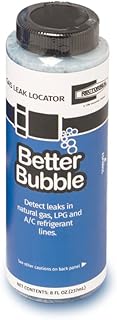
This leak detector uses fast-acting bubbles to reveal leaks in refrigerant gas lines, air, and oxygen under varying temperature and pressure. Best for homeowners and plumbers who need a simple, visual confirmation of leaks in plumbing and equipment. The 8 oz. bottle offers ample coverage for typical home projects. Caution: avoid over-foaming on delicate surfaces to prevent masking leak signals.
PT520A Natural Gas Detector

The PT520A uses a 17-inch gooseneck probe to locate gas leaks, especially useful for propane, methane, and butane in homes and RVs. Best for technicians and serious DIYers who need precise pinpointing and an extended reach. Includes three batteries for extended use. Caution: probe accuracy depends on proper calibration and stable testing conditions; ensure safe handling near open flames.
Gasoila Leak Detector Spray

Gasoila Leak Detector Spray provides fast, long-lasting bubbles to pinpoint leaks on all pipe types. It’s non-toxic and non-corrosive, making it a safe choice for gas lines and air systems. Best for quick, broad-area checks and for use on metal and plastic piping. Limitation: bubbles can be difficult to see on very glossy or reflective surfaces, which may require a second pass.
PT199 Natural Gas Leak Detector

The PT199 is a portable gas detector with audible and visual alarms, designed to locate combustible sources like methane and propane. Best for on-the-go checks in confined spaces or around appliances. Includes two batteries for extended field use. Limitation: as a portable sniffer, it may require frequent battery changes during long sessions.
UEi Test Instruments CD100A

The UEi CD100A detects combustible gases with a general-purpose approach, suitable for a range of environments. Best for contractors and advanced DIYers who need a reliable, handheld detector for ongoing gas-leak surveillance. Limitations: it may not provide the same level of sensitivity as dedicated refrigerant or propane-specific tools in some setups.
Buying Guide
What to look for when choosing a gas leak detector
- Gas type sensitivity: Ensure the detector responds to methane, propane, butane, or refrigerant gases relevant to your space.
- Detection method: Visual bubbles vs. audible alarms vs. digital readouts. Choose based on preferred feedback style and environment.
- Probing reach: Longer gooseneck probes help locate leaks behind appliances or within walls; consider portability.
- Calibration and maintenance: Some devices require regular calibration or battery changes; factor in ongoing upkeep.
- Safety considerations: Use detectors in well-ventilated areas and follow manufacturer safety guidelines when testing near sparks or flames.
- Surface compatibility: Liquid bubbles may be easier to see on matte vs. glossy surfaces; sprays can be used on multiple pipe materials.
How to use gas leak detectors effectively
- Shut off any ignition sources when testing, as a precaution.
- Inspect joints, unions, and fittings first, then move along length of piping.
- Test in several stages: upstream, mid-run, and at the fixture or appliance connection.
- Document findings with notes or photos to guide repairs.
Practical usage scenarios
- Homeowners: Basic leak checks around kitchen gas lines, water heaters, and furnaces.
- RVs: Portable detectors with long noses for tight compartments.
- DIY enthusiasts: Combined use of spray and electronic detectors for thorough scouting.
Frequently asked questions
- Can I use these detectors on all pipe types? Most detectors work with common pipe materials, but always check compatibility.
- How often should I replace batteries? Follow the manufacturer’s guidelines; many units use standard batteries with visible indicators.
- Are liquid bubble solutions safe? Most are non-toxic and non-corrosive, but avoid contact with sensitive finishes.
- What’s the difference between a spray and a detector? Sprays create bubbles to indicate leaks; detectors provide alarms or readings for ongoing monitoring.
- Should I call a professional if I find a leak? If a significant or hard-to-access leak is detected, professional service is recommended for safe remediation.